You never know when a disgusting creep
will appear from a dark corner of the internet. Using its anonymous
nature, keyboard warriors are sharing some of the most disturbing
thoughts they have, and even little kids can become subjects of their
hateful treatment. Recently, Twitter trolls used a picture of Sophia, a
severely disabled 9-year-old girl to promote abortion. Her mom responded
in a way every mother would – she started a war against hate speech.
Sophia
was born with facial deformities as well as deformities to her hands
and feet. When she turned one, the girl was diagnosed with Rett
syndrome, a brain disorder that permanently affects children’s language
and motor functions. As a result, Sophia needs her family to take care
of her 24/7.
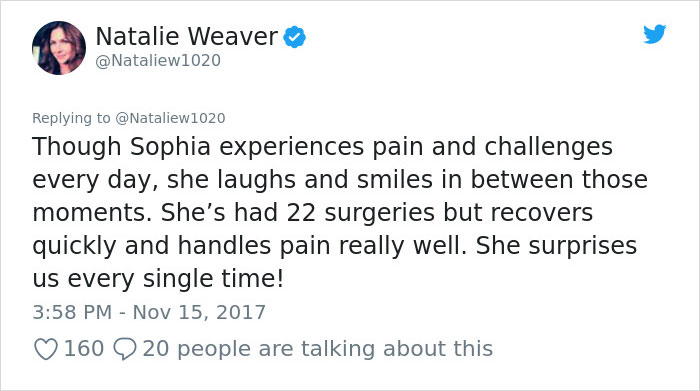
“She’s had 22 surgeries,” Weaver told CNN.
“She has a feeding tube. A colostomy bag. She has seizures and choking
spells because of both the deformities and the Rett syndrome.”
Everything
began after changes to healthcare coverage in their area were proposed.
As a healthcare activist, Weaver started to speak out more about
Sophia’s condition, and it wasn’t long until trolls targeted the little
girl. “People, they seek you out and want to hurt you,” Weaver said.
“There are people who go out of their way to make sure you see their
cruelty. I get people telling me to kill my child, to put her out of her
misery.”
One attacker really wanted
to be heard. Not only did they share Sophia’s photo along with a
paragraph supporting coerced abortion, they tagged Weaver’s Twitter
handle and sent her a direct message.
“I
blocked it. I just hoped it was gone,” the mother said. “But it was
never removed. The account remained.” Weaver claimed Twitter had even
sent her a message saying the post did not violate their policies.
Time
passed, but the tweet was still up, and the hurtful account behind it
was still active. “[The troll] was mentioning my name and reaching out
to my followers on Twitter,” Weaver said.
The
original tweet with Sophia’s photo attached to it kept haunting Weaver.
She asked people to report it and even told her story to a local news
station, hoping to put enough pressure on Twitter it would take
everything down. After about a week and a half of nonstop coverage
Weaver got, she received another message from Twitter. They apologized,
they removed the offensive post, and they suspended the account it came
from.
Satisfied with the result,
Weaver started talking about the way Twitter review such content.
“Twitter needs to add people with disabilities as a category in their
violation reporting,” she said. “Otherwise people don’t know the
appropriate category to select for hate towards people with
disabilities.”
A company’s spokesperson pointed out to CNN
the platform’s “hateful conduct policy.” It says, “You may not promote
violence against or directly attack or threaten other people on the
basis of race, ethnicity, national origin, sexual orientation, gender,
gender identity, religious affiliation, age, disability, or disease.”
“All of these considerations are taken into account when reviewing
reported violations of the Twitter Rules,” the spokesperson said.
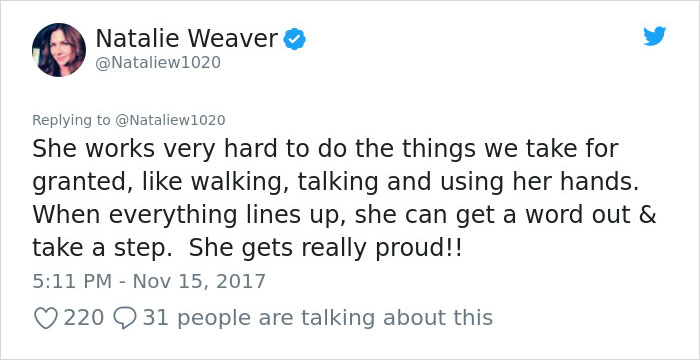
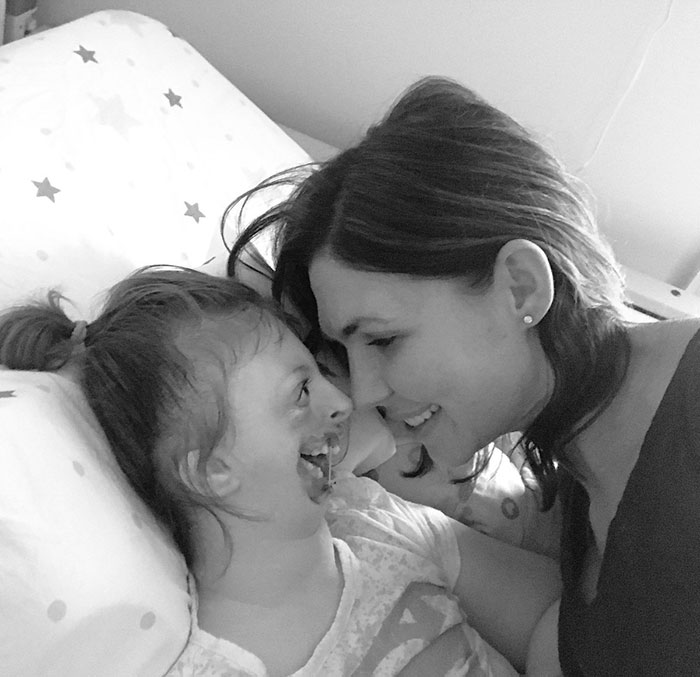
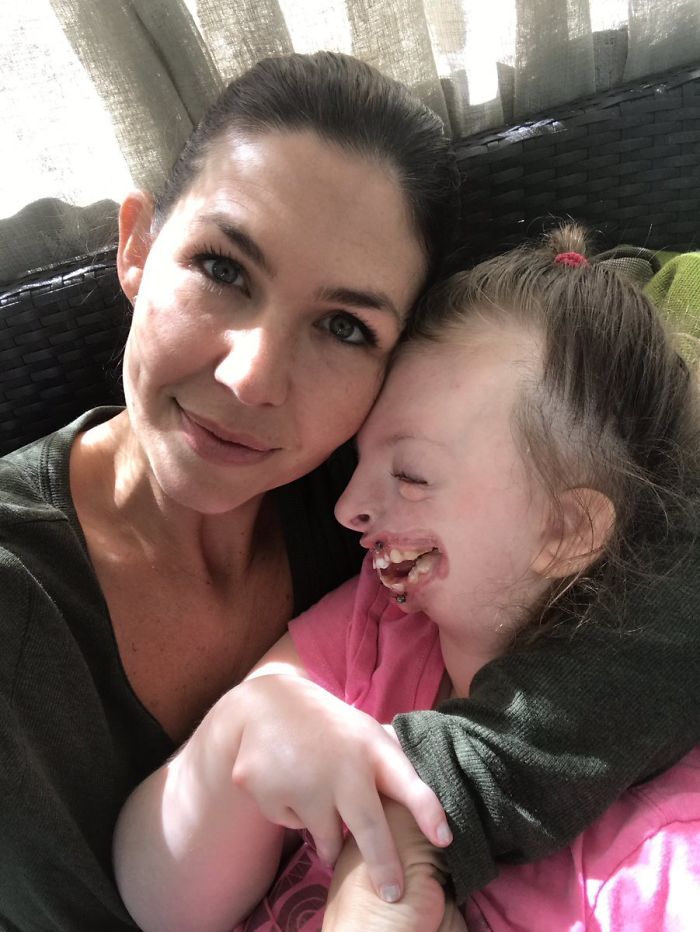
The Weavers daughter Sophia was born with facial deformities as well as deformities to her hands and feet
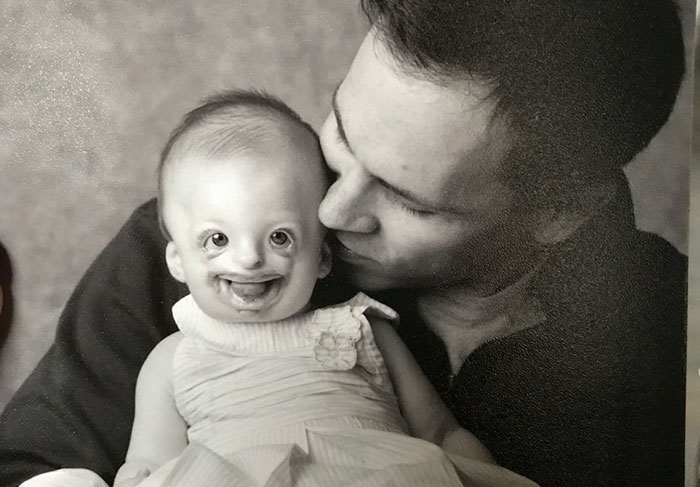
When she turned one, the girl was diagnosed with Rett syndrome
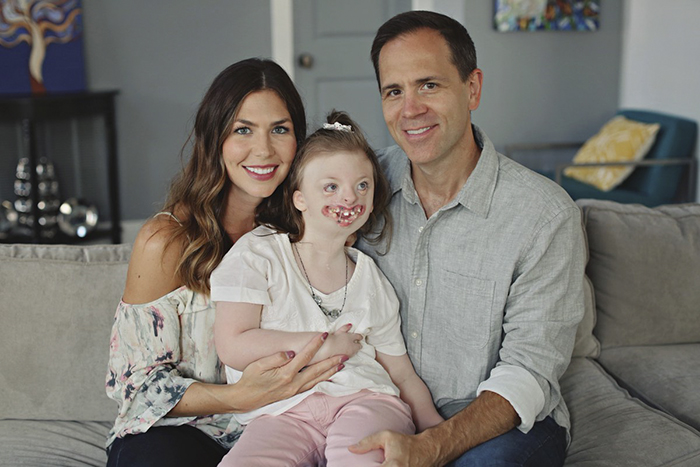
This brain disorder permanently affects children’s language and motor functions
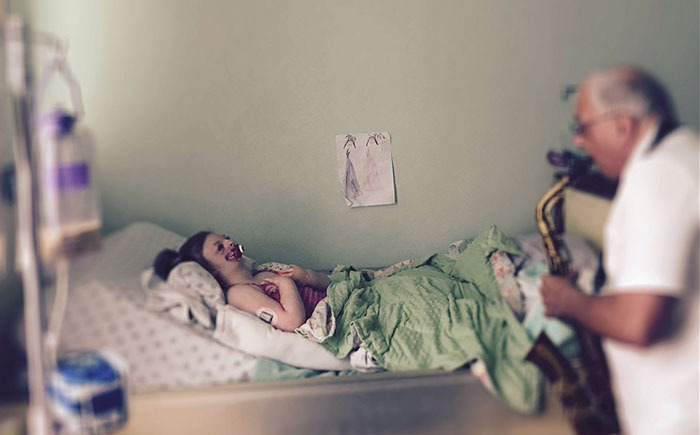
“She’s had 22 surgeries. She has seizures and choking spells because of both the deformities and the Rett syndrome”
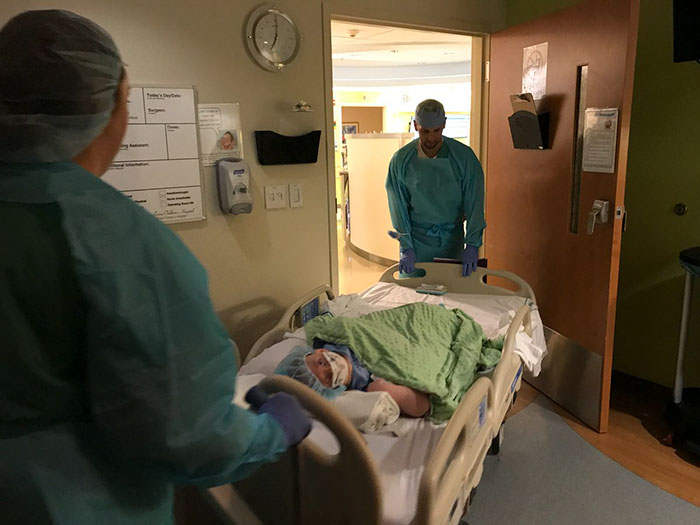
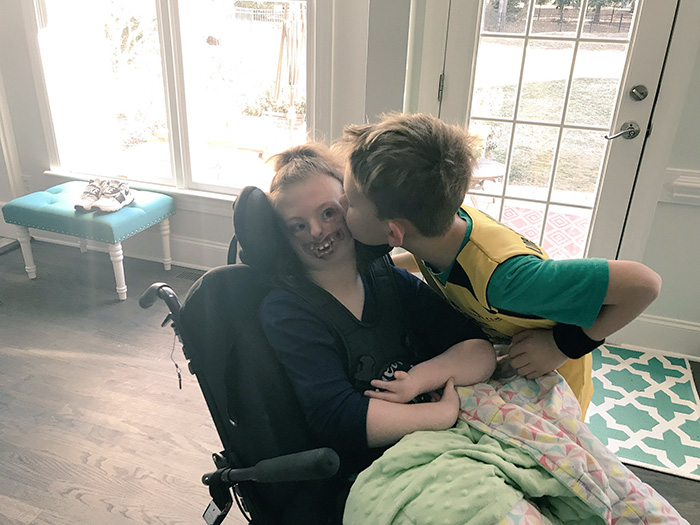
But she also has two siblings that love her very much
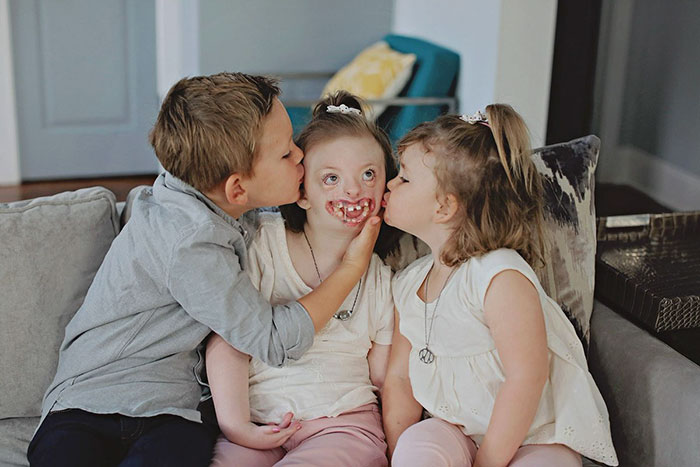
After changes to healthcare coverage in their area were proposed, Weaver started to speak out more about Sophia’s condition
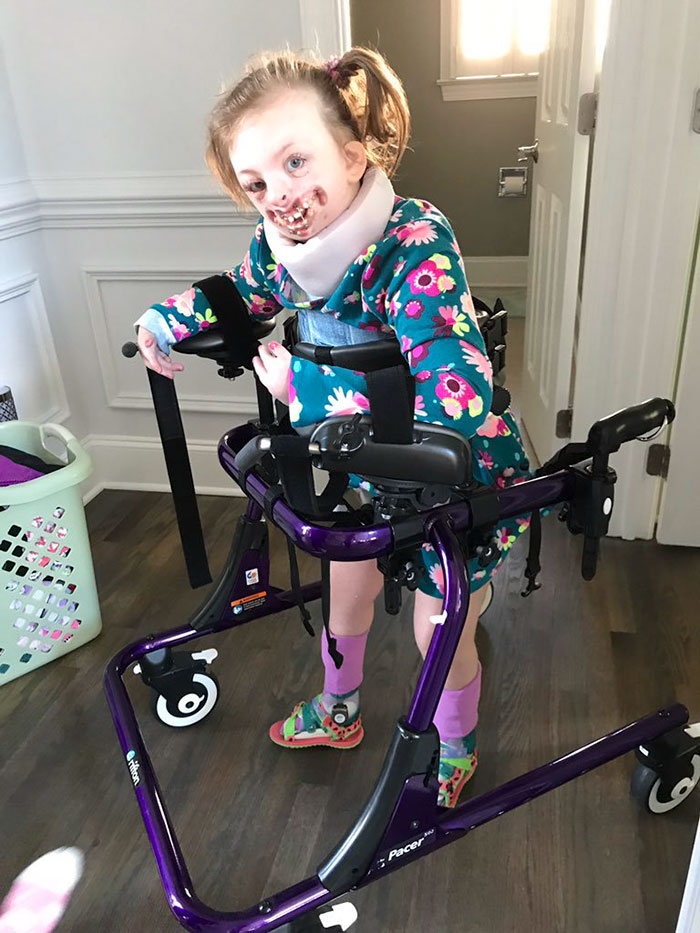
And it wasn’t long until trolls targeted her little girl, some even borderline telling the mom to “kill her, put her out of her misery”
But even after receiving such cruel messages, seeing her daughter’s pic along with a paragraph supporting coerced abortion came as a shock to the family
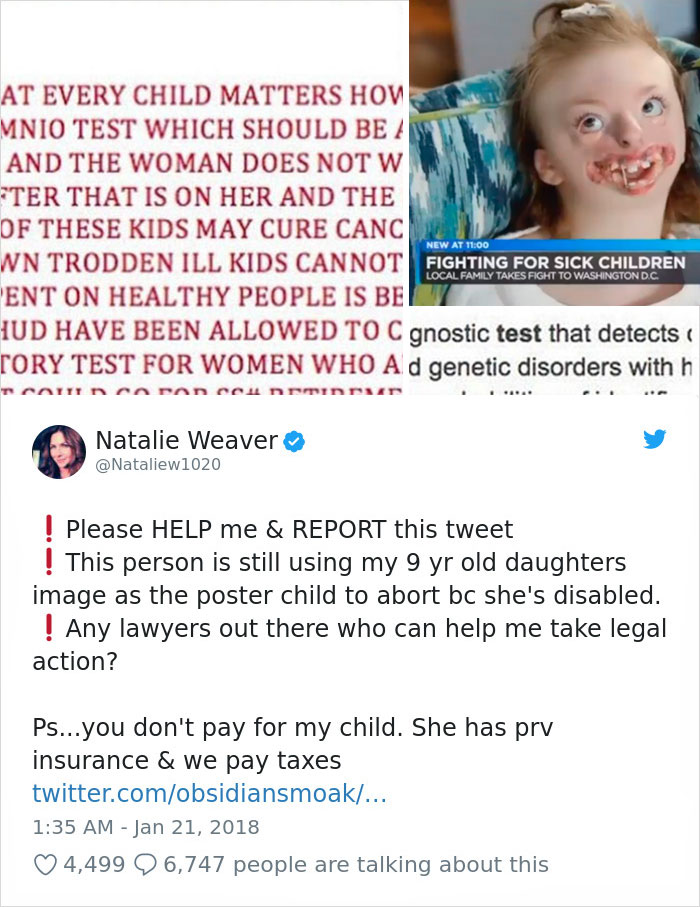
Not only did they share it on Twitter, they tagged Weaver’s Twitter handle and sent her a direct message
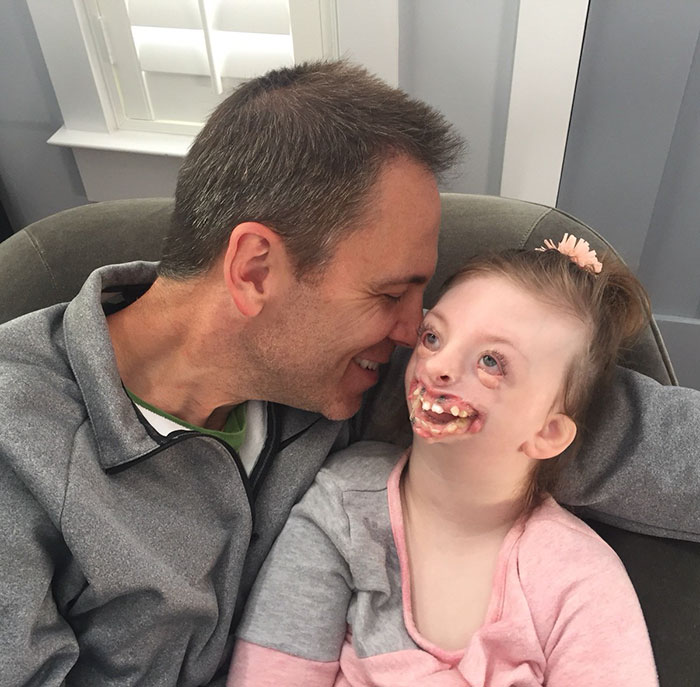
After blocking the account a few times, mom was frustrated to see it was still up

Weaver claimed Twitter had even sent her a message saying the post did not violate their policies


But it kept haunting Weaver
She asked people to report it and even told her story to a local news station, hoping to put enough pressure on Twitter it would take everything down
After about a week and a half of nonstop coverage Weaver got, she received this message from Twitter
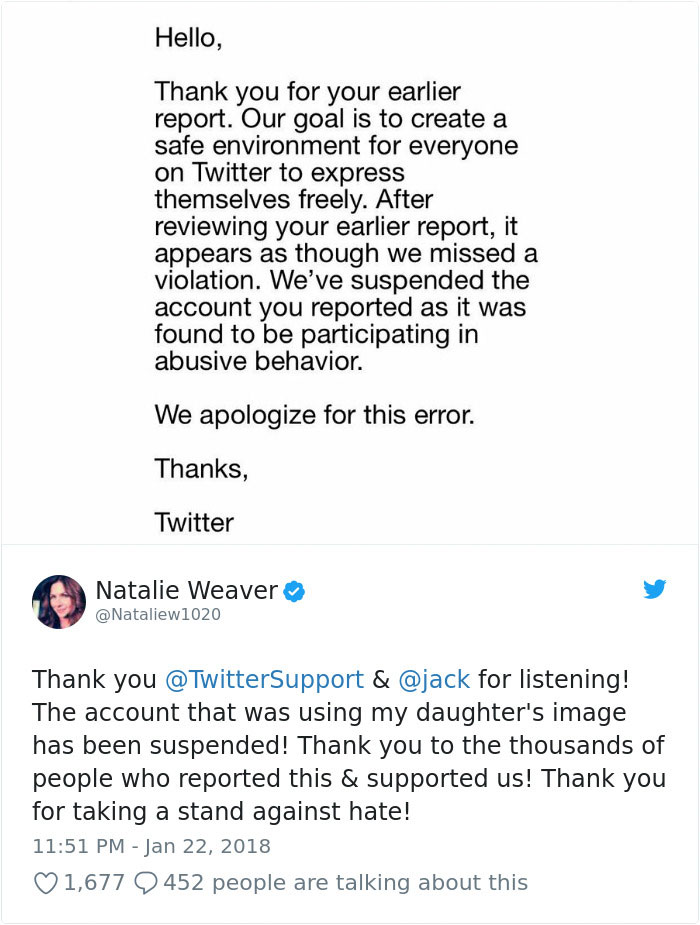
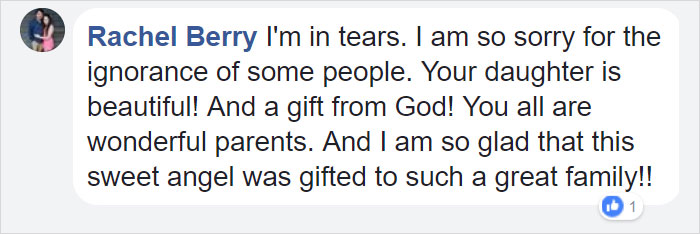
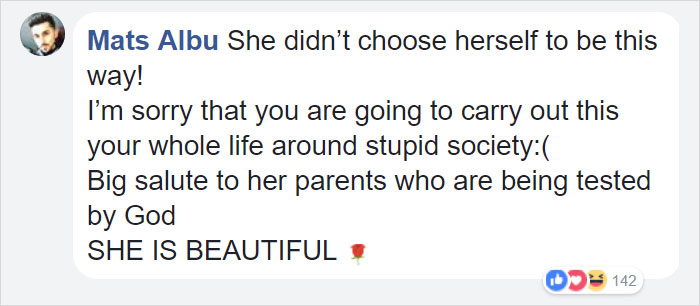
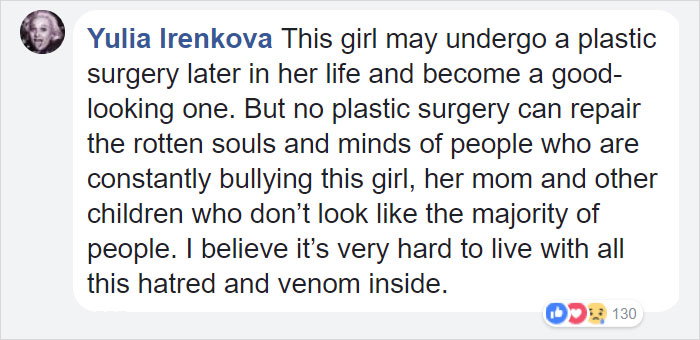
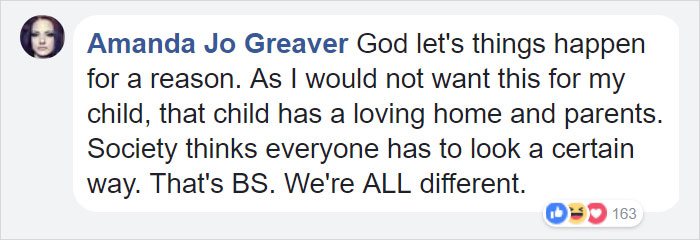
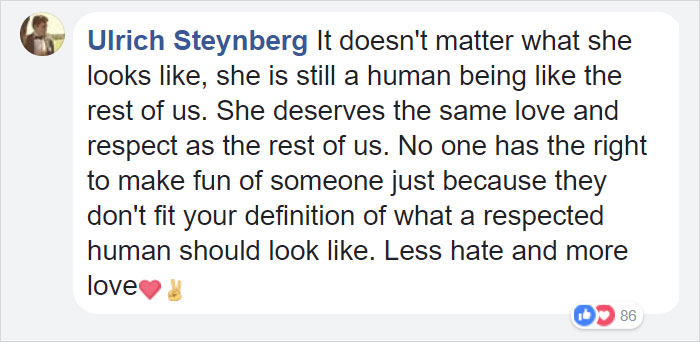
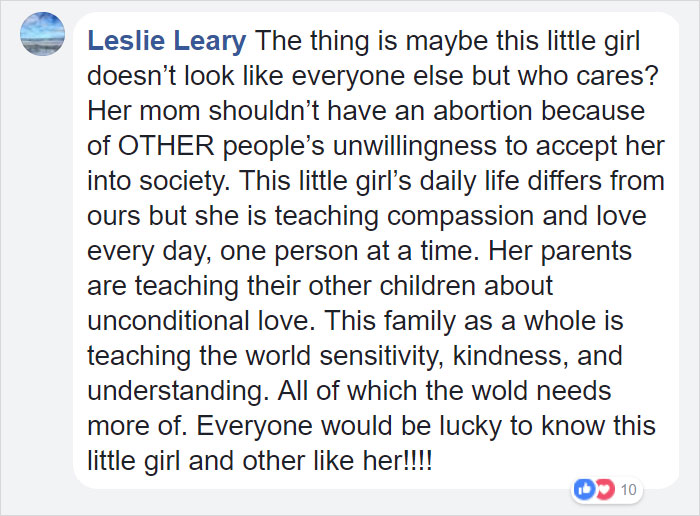
Many people had been supporting the family throughout this whole time